
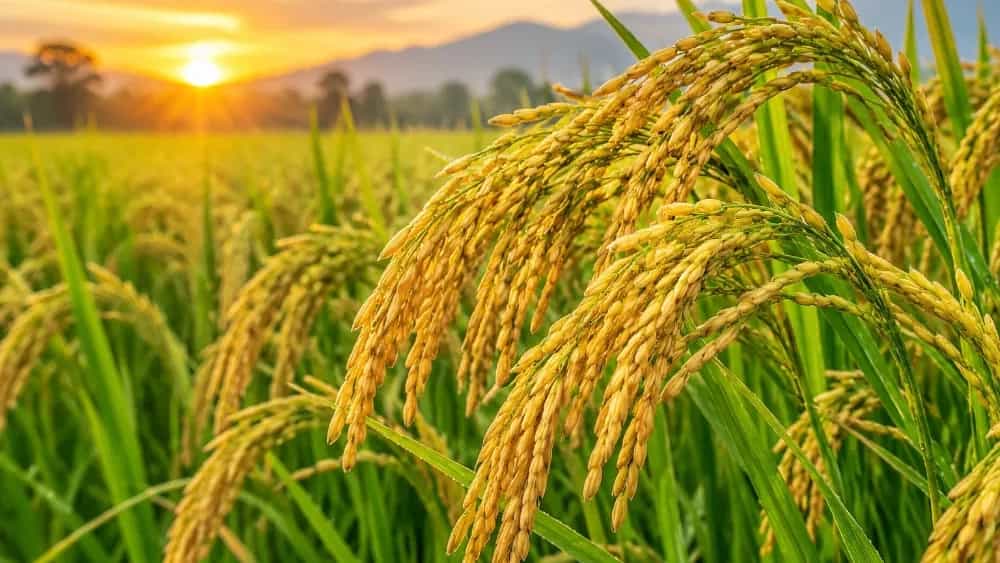
The direct purchase of Iranian rice with the best quality from the farmer requires the elimination of traditional brokers, access to the sorting analysis sheet and direct transaction with authorized processing centers in the northern provinces. This supply method, in addition to breaking the market price bubble, guarantees the authenticity of the Hashemi variety and prevents the mix of high-yielding and low-quality varieties. By connecting directly to modern rice mills, the supply chain becomes transparent and pure rice reaches the consumer.
In field investigations of the grain market, the biggest challenge for wholesale and household buyers is not only the price fluctuation, but also the prevalence of the unpleasant phenomenon of mixing varieties in banking warehouses. In practice, it has been observed that many of the products offered under the Hashemi name are a combination of Fajar or Shirodi varieties, which show a severe drop in quality after cooking. In order to have a safe choice, familiarity with the economic and technical structure of the purchase chain from the paddy field to the warehouse is a necessity.
Hidden challenges of the supply chain in the traditional rice market
The traditional system of buying rice from urban cargo fields is associated with multi-layered middlemen, each of whom makes a profit on the final price without having any control over the purity of the cargo. In this cycle, the bags of rice are transferred several times, and with each transfer, the physical damage and breakage of the grains increases.
Furthermore, in traditional warehouses, moisture control is not done properly, which provides a suitable platform for the growth of pests and the loss of the natural aroma of the seed. Direct access to the farmer and specialized sorting of the Hashemi Rice Exchange eliminates these intermediary links.
The dangers of combining numbers in unauthorized banking
When loads of different paddy fields are mixed together without laboratory supervision, the boiling point and cooking time of the grains in the pot are messed up. This heterogeneity causes part of the rice to be crushed while the other part remains uncooked. In practice, it has been observed that professional buyers can determine the authenticity of the grain before baking by checking the percentage of breakage and grain uniformity.
Price bubble and the influence of dealers on the real value of the product
Free market dealers raise the price of rice falsely by creating artificial shortages or seasonal rumors. Direct purchase from the Hashemi rice exchange adjusts the prices based on the actual finished price in the paddy field and provides the most economical purchase formula for wholesale and retail consumers.
Key advantages of buying rice directly from the farmer and authorized sorters
The direct connection with the network of selected farmers goes beyond a simple business transaction and creates tangible technical advantages in the final quality of cooking. This method guarantees that the received cargo is processed from a specific area with the same climatic conditions.
Hashemi Rice Exchange, by establishing quality control centers in the northern regions, evaluates the raw load before bagging to ensure the absence of heterogeneous grains.
100% purity and authentic aroma of local cultivars
Pure Hashemi rice has a natural and distinctive aroma that can be recognized by smelling the raw grain once. In direct purchase, due to the lack of long storage in inappropriate conditions, the natural aroma of the seed remains intact and fills the kitchen space after cooking.
Standard height and high resistance in tailing
In the laboratory investigations of the cooking lines, the grains processed in the Hashemi rice stock show an extraordinary longitudinal stretching ability. These seeds are resistant to high heat and after brewing, they keep their state and grain.
A practical guide for distinguishing genuine Hashemi rice from similar cultivars
In order not to make a mistake in buying directly, some technical and physical indicators are used that are used by chefs and grain experts:
- Natural color and turbidity: Original Hashmi rice has a creamy and opaque white color unlike high-yielding shiny and glassy rice.
- Hardness of the grain under the teeth: The raw grain should break hard under the teeth and not be crushed, which indicates full ripening in the paddy field.
- Fragrance after breathing in the fist: By blowing hot air on a handful of raw rice, The natural aroma of northern rice is released immediately.
- Uniformity of grain length: The length of dry grains should be within a certain range, and the presence of very short grains is a sign of mixed load.
The role of laser sorting in improving the quality of direct purchase
Traditional rice harvesting always contains some waste such as pebbles, puck, chalky rice and black seeds. In the advanced processing centers of Hashemi Rice Exchange, the grains pass under precise laser scanners after the traditional Bojar to remove any physical impurities.
This modern process ensures that the delivered product does not need to be re-cleaned and its waste is zero during cooking and consumption.
Order registration process and direct delivery from the paddy field
The distribution system of the Hashemi Rice Exchange is designed in such a way that the product reaches the buyer directly from the source warehouse in the north of the country without intermediaries.