
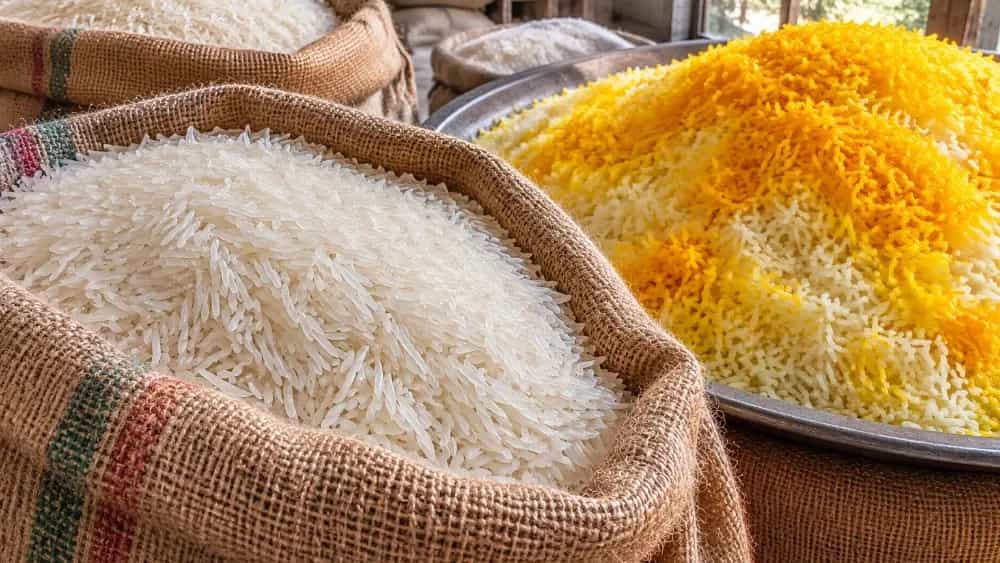
Bulk order of rice for restaurants from the Hashemi Rice Exchange is a reliable solution to eliminate middlemen, control the fluctuation of the cost of each food press, and obtain completely uniform grains with standard rice and cooking. This method of purchasing, by directly connecting purchasing managers and chefs to specialized sortings in the North, reduces the risk of combining inferior varieties and the loss of food quality to zero. By placing a direct order, the requested tonnage is provided with a controlled breakage percentage and a natural fragrance without essential oils.
In managing the industrial costs of kitchens, the biggest challenge for chefs and catering managers is not just the price per kilogram, but the behavior of rice in large pots. In practice, it has been observed that a sudden drop in quality in the middle of the month, heat loss in industrial boilers and heterogeneity in the boiling time of seeds can distort the validity of a food collection. In order to achieve a stable profit margin, familiarity with the technical principles of the rice supply chain is an operational necessity.
The hidden challenges of industrial kitchens in grain supply
In large-scale baking projects, the difference in the appearance of grains may seem minor at first glance, but when it comes to rinsing and brewing, it has serious consequences. The interference of multi-regional loads in the free market causes the optimal cooking time to be disrupted; It means that part of the seeds in the pot have bloomed and matured, while the other part remains alive and hard.
In addition, the presence of thin and scattered seeds of Shiroudi or Fajr in the bags, in the name of high-quality cargo, will reduce the final height. In restaurant cooking, the measure of profitability is the number of standard presses obtained from each 50 kg bag; Therefore, the ray drop directly increases the finished price of each plate.
Consequences of the drop in rice uniformity percentage in industrial boilers
Bar uniformity is the main basis of quality in a restaurant. When the refractive index of the load is more than 2%, the free starch is released in the welding process and produces excessive glaze. This situation will cause the grains to stick together, waste oil and reduce the visual volume of rice in the serving dish.
Constantly changing grain hardness in heterogeneous bags forces the chef to constantly manipulate flame settings, soaking time, and skimming time, which is itself a human error factor during peak orders.
The effects of market rate fluctuations on the total price of each food press
Sequential intermediations in the urban banking market apply currency fluctuations and seasonal inflation immediately to the bags with unrealistic coefficients. Restaurants cannot change the price of food monthly due to having a printed menu and an approved price; Therefore, relying on various bankers gradually reduces the operating profit of the kitchen. Access to the Hashemi Rice Exchange shortens this intermediary chain and enables seasonal pricing stability.
Direct benefits of ordering bulk rice for restaurants from Hashemi Rice Exchange
Connecting directly to the expert sorting authority solves quality control in a radical way. Hashemi Rice Exchange, by aggregating sorted products from selected lands, provides the possibility to evaluate the workshop cooking sample before sending the tonnage, so that the purchasing department can experience a completely safe and unambiguous purchase.
Direct supply guarantees that the load has the same sensory, textural and behavioral characteristics in all seasons of the year; This is of vital importance for chain restaurants and reception halls that have certain standards.
Uniform cooking and controlled height in high-volume cooking
In the field investigations of the cooking lines, Hashemi hand-picked and granulated rice shows the ability to absorb water and have high longitudinal elasticity due to the complete ripening of the grain in the paddy field and mechanized processing. These seeds do not break in the vicinity of high heat steam, and after resting in the brewer, they give a significant volume to the disc, which directly affects the satisfaction of the final customer.
Permanence of natural perfume without the need for industrial additives
In order to compensate for the unpleasant smell of mixed rice, many food groups go for aromatic oils or synthetic essences, which degrade the quality of food over time and create an unpleasant taste. The pure Hashemi seed, which has been processed with standard humidity without aging, retains its original aroma naturally when served warm.
Weight transparency and laser sorting without rice crumbs
In the modern lines of the Hashemi Rice Exchange, the grains pass through multi-stage vibrating sieves and color sorter devices. This processing ensures that waste, gravel, chalk grains and black seeds are completely separated and the delivered load does not need manual cleaning in the kitchen; A process that is effective in saving the restaurant's time and labor.
Chef's checklist for pre-contract rice sample evaluation
Before purchasing in high tonnage, sample evaluation should go beyond simple visual inspection and include functional tests. The following steps are definitive tests of industrial cooking:
- Hardness test of the grain under the tooth: A grain that is completely ripe is not easily powdered by the pressure of the tooth and gives a sharp and crystalline breaking sound.
- Crystalness and transparency test: The absence of opaque chalk spots on the body of the grain indicates the correct drying process in the rice mill and the absence of harmful moisture absorption.
- Test of a ten-kilogram sample in the pot Chaloui: Detailed examination of the final volume, longitudinal elongation after brewing and the amount of oil absorption in the repeatable cooking test.
- Texture durability at ambient temperature: Quality rice should not become dry, woody or brittle after cooling, but instead maintains its initial softness and freshness.
Operational differences of fresh and old rice in catering kitchens
Using freshly harvested rice, due to its higher natural moisture, requires the cook's high skill in controlling the boiling time, and if the rice is not rinsed in time, the rice texture will be crushed. On the other hand, rested old rice, which is a few months past the processing season, has more stable starch.
In practice, it has been observed that the old Hashmi rice has more tolerance in boiling water, it opens up during cooking and releases more rice. For large caterers, providing evenly rested loads is a top management priority so that cooking scheduling guidelines can be implemented without risk.
Step-by-step guide for bulk order registration and on-site delivery
Ordering at the Hashemi Rice Exchange is done without traditional cumbersome processes, so that the cargo is delivered to the customer's warehouse with full preservation of the allowed humidity and packaging quality.